Top Roof Problems Affecting Tri-Cities Homeowners
Living in the Tri-Cities area presents unique roofing challenges. Our climate, terrain, and older housing stock create specific issues. Understanding these problems helps you address them before they become expensive disasters.
Problem 1: Wind Damage and Missing Shingles
Why It Happens: Tri-Cities, especially Bristol and Kingsport, experiences significant wind events. Spring and fall storms can exceed 50 mph, damaging roof shingles.
Signs of Wind Damage:
- Missing shingles (appear as bare spots)
- Curled shingle edges
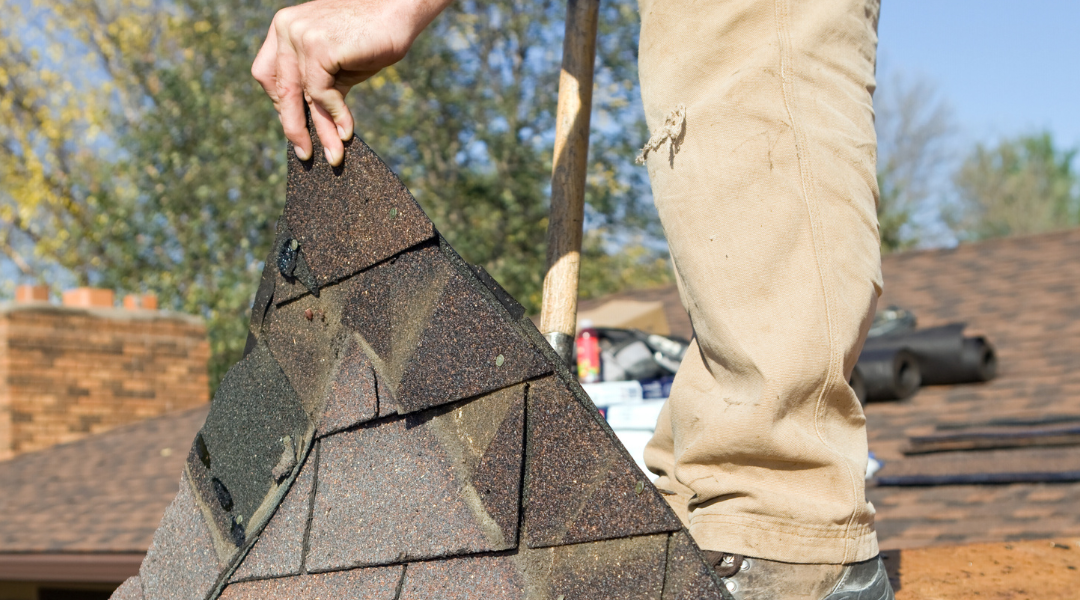
- Lifted shingles exposing underlayment
- Granule loss (shiny spots on roof)
Solution: Replace missing or damaged shingles immediately. One missing shingle exposes underlayment to water infiltration. For isolated damage, shingle replacement is cost-effective ($200–$800). For widespread damage, partial roof restoration may be needed.
Prevention: Ensure proper installation with adequate fastening. Modern roofing uses more nails and better adhesive to resist wind.
Problem 2: Water Intrusion and Leaks
Why It Happens: Tri-Cities experiences frequent rain throughout the year. High humidity and moisture problems are common. Improperly sealed roof penetrations, damaged flashing, and aging underlayment lead to leaks.
Signs of Leaks:
- Water stains on ceilings or walls
- Mold or dark spots in attic
- Damp insulation
- Water dripping during rain
Solution: Identify leak sources through careful inspection. Common sources include:
- Chimney flashing ($600–$1,500 to repair)
- Vent penetrations ($300–$800)
- Roof valleys ($800–$2,000)
- Ice damming in winter (gutter improvement or roof resealing)
Address leaks quickly—delays allow water to damage structure, insulation, and create mold.
Problem 3: Flashing Deterioration
Why It Happens: Metal flashing around chimneys, vents, and walls corrodes over time. Poor initial installation or improper sealant application accelerates deterioration. Tri-Cities moisture accelerates metal corrosion.
Signs of Flashing Failure:
- Visible rust or corrosion on metal flashing
- Separated flashing pulling away from roof
- Cracked or missing sealant around flashing
- Water stains near chimneys or vents
Solution: Replace deteriorated flashing with new, properly sealed materials. Copper flashing ($10–$15/linear foot) offers better longevity than aluminum ($3–$5/linear foot), though at higher cost. Proper installation with quality sealant prevents future problems.
Problem 4: Algae and Mold Growth
Why It Happens: Tri-Cities' humid climate and frequent moisture create ideal conditions for algae and mold growth on roofs. Dark streaks and stains appear, particularly on north-facing slopes.
Problems Caused:
- Reduces shingle lifespan (algae holds moisture)
- Affects appearance and property value
- Can cause deterioration of asphalt shingles
- Attracts insects
Solution:
- Professional roof cleaning ($200–$600)
- Algae-resistant shingles when replacing roof
- Improve roof ventilation to reduce moisture
- Trim trees to increase sun exposure (reduces damp conditions)
- Zinc or copper strips installed on roof peak can prevent new growth
Prevention is easier than removal. During roof replacement, choose algae-resistant shingles common in humid climates.
Problem 5: Ice Damming (Winter Months)
Why It Happens: When warm attic air melts snow on the roof edge but cold gutters refreeze melt water, ice dams form. Water backs up under shingles, entering the home.
Signs of Ice Damage:
- Water stains near ceiling edges
- Icicles along roof edges
- Water entering along walls or into attic
- Rotted roof decking near eaves
Solution:
- Improve attic insulation to reduce heat loss
- Ensure adequate attic ventilation
- Install heat cables in gutters (temporary fix, not permanent)
- Clear gutters of leaves and debris before winter
- Install ice and water shield underlayment (best long-term solution)
Proper attic ventilation and insulation prevent ice dams more effectively than temporary fixes.
Problem 6: Aging and Deterioration
Why It Happens: Most asphalt shingle roofs last 15–25 years. Tri-Cities' climate (humidity, temperature fluctuations, UV exposure) can shorten lifespan to 15–20 years.
Signs of Aging:
- Widespread curled shingles
- Significant granule loss
- Soft spots in roof decking
- Frequent repairs needed
- Shingles harder and more brittle
Solution: When roof repairs exceed 25–30% of replacement cost or roof is 20+ years old, replacement is more economical than continued repairs. Modern asphalt shingles offer better durability and higher wind ratings than older roofs.
Problem 7: Poor Gutter Function
Why It Happens: Gutters clogged with leaves, debris, and sediment overflow or back water onto the roof and foundation. Sagging gutters don't drain properly.
Problems Caused:
- Water pools on roof, accelerating deterioration
- Foundation water damage and basement leaks
- Landscaping erosion near foundation
- Accelerated shingle deterioration in valleys
Solution:
- Clean gutters 2–3 times yearly (spring, fall, after storms)
- Repair sagging gutters or install gutter guards
- Ensure downspouts extend 4–6 feet from foundation
- Consider professional gutter cleaning ($200–$400)
Regular gutter maintenance prevents water-related damage throughout your home.
Solutions Framework for Tri-Cities Homeowners
For Immediate Problems: Contact roofing professionals promptly. Water damage and structural issues worsen quickly.
For Long-Term Health:
- Schedule annual roof inspections
- Clean gutters regularly
- Trim overhanging branches
- Address small problems before they escalate
- Budget for eventual replacement (roofs don't last forever)
Tri-Cities homeowners benefit from proactive maintenance and regular professional assessment. Palisade Roofing understands local climate challenges and common problems affecting our region.
Call (423) 549-2065 to schedule an inspection and address problems before they become expensive emergencies.